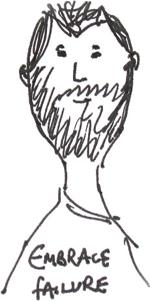
The latest interview in for my research on Perceptions of Coaching in the UK Creative Industries was with Russell Davies, who until last month was Global Planning Director for Nike. Before Nike Russell spent 9 years as a planner at the advertising agency Wieden + Kennedy.
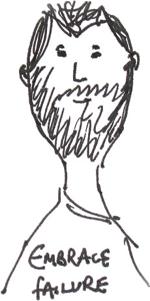 Campaign magazine called it “a sign of the times” when Russell announced his resignation from Nike via a blog post rather than a press release, and it’s fair to say Russell is embracing the potential of the web in a big way – his latest project, the Open Intelligence Agency as a “global small business” with him and his partners “trying to see if we can be online using regular consumer tools, not fancy corporate stuff”.
Check out Russell’s blog for an eclectic and stimulating read about anything from planning and post-rationalisation to kerning and the grammar of roads. And look at the sidebar for his other web pages, such as the Account Planning School of the Web and eggbaconchipsandbeans – an encyclopedic review of greasy spoon cafes, and a public service if ever there was one. Anyone who remembers my post about creative environments will be interested in his Squidoo lens on creative spaces.
Russell’s pragmatic take on business emotional intelligence is very relevant to my research, so I asked him about the kind of managerial emotional intelligence needed to get the best out of creative teams. The result was a down-to-earth and entertaining interview covering creativity, people, failure, managing and mentoring.

[…] I’m looking forward to make living by being like this guy or this guy, but I’m willing to settle for working with […]