





In
many ways, creative professionals are a unique category of workers.
Although they enjoy rewards and recognition - like money, promotion and
awards - their main motivation for working is the intrinsic interest of the work
itself.
They
often don't see themselves as part of a conventional 'business'
culture, and develop idiosyncratic work habits to facilitate their
individual creative process. Yet these very idiosyncrasies create the
work that is your key competitive advantage as a creative business.
While
there are plenty of technical and skills-based training
programmes for creatives, there are very few programmes
designed
to develop their core creative talent. Most 'creative
thinking'
workshops are too simplistic for the needs of professional creatives,
who need a more sophisticated approach that is flexible enough to
facilitate their individual creative process.
What
you want to avoid:
Demoralised
creatives
Because the creative process is mysterious and unpredictable, it
presents a challenge to managers with commercial responsibilities.
Some respond with inappropriate attempts to control and
dictate to creative workers, while others stand back completely and
'let them get on
with it'. Neither approach gives the creatives proper support
and
respect
for their talents - both are in danger of dampening their natural
enthusiasm for their work.
Mediocre
work
Motivation and creativity are closely linked. When creatives'
enthusiasm starts to wane, their creativity dips and the work
suffers.'Trying harder' doesn't solve the problem - perspiration may be
90% of the creative process, but clients and customers can see when the
10% inspiration is missing. And if they can see it, it won't be long
before your accountant spots it too.
'Culture
clash'
Many
problems in creative businesses arise from perceived
differences
between the 'creatives' and the 'suits'. When there is a perceived
conflict between creative and commercial interests, the danger is that
both sides will defend their positions rather than working out how to
work together effectively. This leads to frustration on all
sides,
and is potentially disastrous for projects. If
this process continues unchecked, you risk ending up with creatives who
spend less of their creative talent on your projects than on
daydreaming about moves elsewhere.
What
you want to achieve:
Inspired
creatives
Creatives love a challenge. It brings out their natural enthusiasm and
passion for their work. Great managers and coaches understand this, and
know how to inspire creative people by presenting them with an
inspiring goal and allowing them creative space to achieve it. They
also know when support and encouragement are needed - and the best way
to offer it to each individual. This finely-judged balance between
challenge and support is one of the key factors leading to 'creative
flow'...
'Creative
flow'
When a creative person is working at the peak of his or her abilities,
s/he enters a particular state of mind, in which the necessary
ideas, words, images or actions seem to occur automatically.
Psychologist Mihaly Csikszentmihalyi describes this as
'creative
flow'. Flow is critically important for creativity, since it is both
intensely enjoyable (providing motivation to experience it) and is
synonymous with outstanding performance. For more background on
creativity, flow and states of mind, see my blog posts on Creative
Flow and How
Coaching Creates Creative Flow, and my article for Creative Review
about Hypnosis
and Creativity.
Outstanding
creative work
When you start with talented people and then provide them with an
inspiring challenge and support tailored to their needs, you vastly
increase your chances of producing outstanding creative work. Another
key element is the ability to facilitate the
idiosyncratic thinking and working process of professional
creatives. The work itself is always down to the creative, but there
are many things a skilled manager or coach can do to facilitate
individual creativity. If you get this right, your reward will be more
than just the work - if a creative finds a manager who really
understands and supports his/her talent, s/he has a powerful reason to
stay with your company and contribute to your future success.
Integrated
creativity
Creatives love to see their work accepted and put into production. The
chances of this happening are increased when managers, creatives and
other key players show respect for each others' talents and communicate
clearly and openly at all stages of a project. If your managers can get
the right balance between artistic freedom and commercial constraints,
it leads to a 'win' for everyone involved: creatives enjoy the
recognition of seeing their work accepted and promoted; managers
achieve the satisfaction of delivering on brief, on budget and on time;
and you enjoy the rewards of presenting your clients, audience or
customers with work that exceeds their expectations.
How
Wishful Thinking can help
There
are no simple formulas for creativity - the best solution will depend
on your unique situation and the individuals you work with. So I offer
a range of possible interventions, which can include:
I
offer a free
consultation
service to assess your company's needs and
discuss how Wishful Thinking can help you reach your creative and
commercial goals.
Receive free articles about creativity
Below is a selection of posts about creativity from the Wishful
Thinking blog. Subscribe to the blog via RSS
or e-mail
and receive future updates FREE.
Wishful
Thinking is a coaching consultancy
for creative
professionals and the Creative Industries.
Based
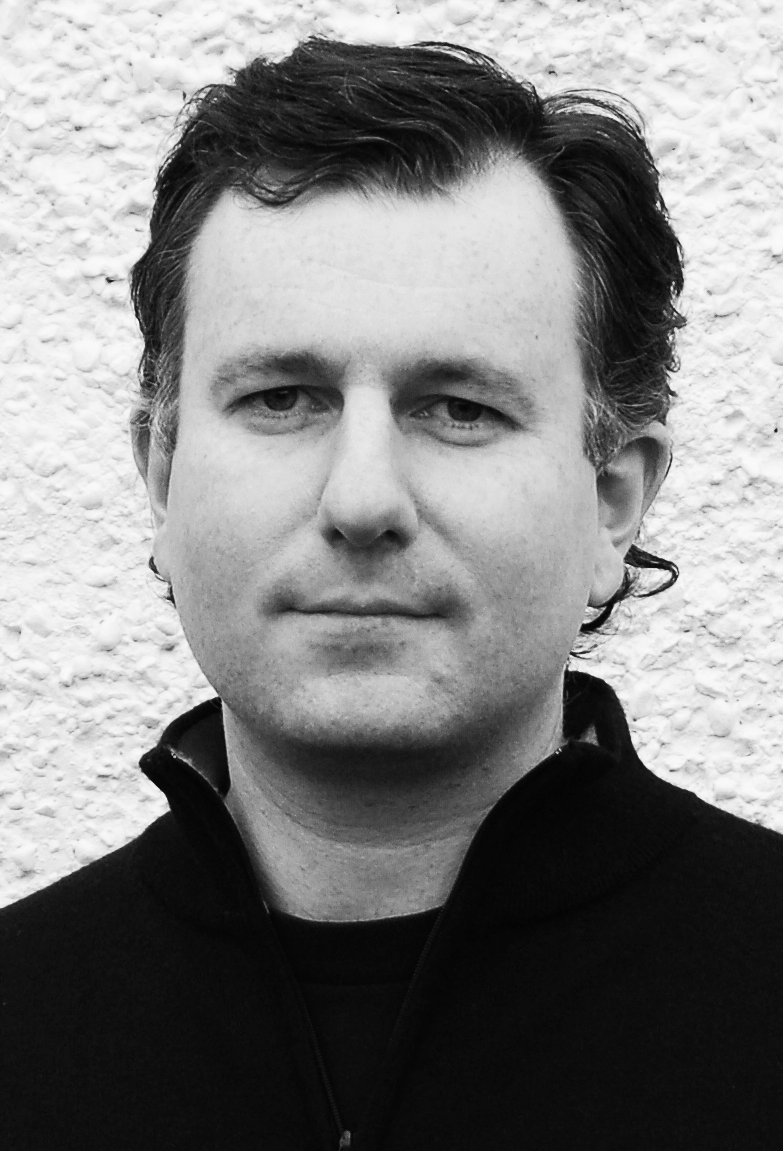
in London, Mark
McGuinness
works with individuals and companies across a wide range of media -
including design, film, literature, advertising,
music, acting, computer games, architecture, marketing, photography,
fashion, TV and radio.
As a published poet
with a track record of coaching and training for large and
small organisations, I offer a unique blend of creative and business
expertise. In addition to my coaching experience and
professional qualifications I am nearing the end of a part-time MA
in Creative and Media Enterprises at the University of
Warwick.
Please
ask if you'd like to discuss how I can help you realise your
creative and commercial goals.